

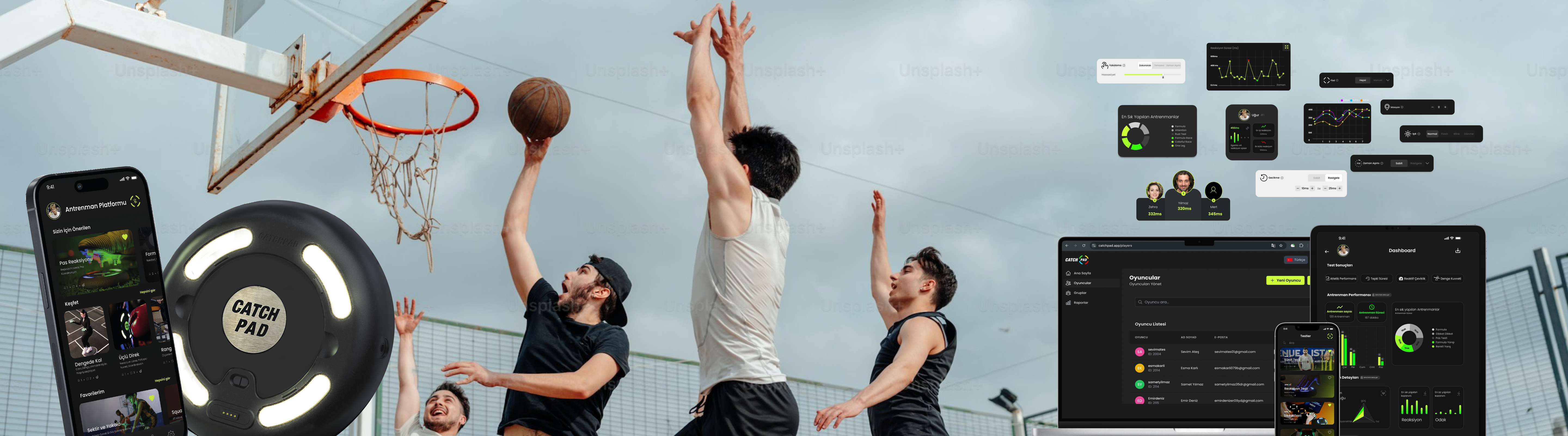
Preparing the Athletes of Tomorrow with AI
AI isn’t entering sports. Sports are entering AI.
Ten years ago, AI stood on the sidelines—a piece of analysis software, a statistics dashboard. Today, it is right in the middle of the game. It is shaping training, predicting injuries, and influencing tactics.
The reason is simple. The margin that separates winners from everyone else gets thinner every year. And that margin is no longer closed by the strongest athlete, but by the one who knows how to use data best. That is also why the market is projected to grow from $8.9 billion in 2024 to $27.6 billion by 2030. Money flows to wherever the margin is.
But the number itself isn’t what interests me most.
It’s where that money is going.
The Flashy Part vs. The Valuable Part
The most visible side of AI is in the fan experience. Automated highlights, multilingual commentary, personalized broadcasts. Impressive, yes—but that’s the screen side of the story.
The real transformation is happening with the athlete.
Today, a camera can analyze an athlete’s movement frame by frame, without attaching a single sensor to their body. AI can create individualized training plans and continuously adapt them as it learns more about the athlete.
And most importantly, it can identify injury risk before an injury happens. By combining workload, biometric data, and historical information, systems can flag potential risks weeks in advance. Some teams have already reduced injury rates by more than half.
This isn’t the future.
It’s already happening on the field.
So, who gets to play this game?
Everything I’ve described so far has largely been the game of elite clubs. Million-dollar budgets, corporate partnerships, specialized facilities.
That was exactly the question we faced when we built CatchPad:
Why should this technology belong only to a handful of elite clubs?
During one of our projects with a football academy, the coach’s first comment was:
“We know how much a player runs, but we don’t know how well they make decisions.”
When they began regularly using CatchPad to assess reaction and decision-making, they discovered that some players who appeared physically fit were experiencing cognitive fatigue.
Training loads were adjusted accordingly. Within weeks, both error rates decreased and the quality of players’ decision-making during games visibly improved.
The cost of access is changing.
AI-powered training technology that was once available only to professional athletes is now reaching youth academies, amateur teams, and even individual athletes.
The athlete of tomorrow won’t need a state-of-the-art facility to train with AI. They’ll be able to do it at their local gym, too.
That’s why we exist.
To make reaction, decision speed, balance, and central vision measurable—and put those insights directly in front of every athlete.
Hardware, an app, and AI-powered coaching in one platform.
Today, we’re in 46 countries, from professional clubs and national teams to local gyms.
Türkiye is in a strong position to lead this space. We have young athletes, strong sports science, and growing interest.
What’s missing is only the courage and speed to act.
We can be the ones who don’t just follow this trend—but build it.
The winner will no longer be the strongest athlete.
It will be the athlete who knows how to use data best.
Have you found your place in this new world?
A Startup That Fits the Gym in Your Bag and Puts a Coach in Your Pocket: CatchPad
What Is Athletic Performance? Its Components, Measurement, and Development Methods